![1611.m00.i121.n075.s.c12.403996549 wings logotype set. bird wing or winged logo design isolated on white background [converted] white](https://michaelyorkauthor.com/wp-content/uploads/2025/08/1611.m00.i121.n075.S.c12.403996549-Wings-logotype-set.-Bird-wing-or-winged-logo-design-isolated-on-white-background-Converted-white-222x74.png)
The Allure of Gambling: Understanding Risk
The psychology of risk-taking in casino games is deeply rooted in human nature. The thrill and excitement that accompany potential gains often overshadow the fear of loss. This paradox is fueled by the concept of loss aversion, where individuals experience the pain of losing more intensely than the pleasure of winning. As a result, many gamblers are drawn to risk for the adrenaline rush it provides, often leading them to make impulsive decisions at the gaming table. Such decisions can sometimes involve the best casino sites not on gamstop that feature enticing offers to encourage action.
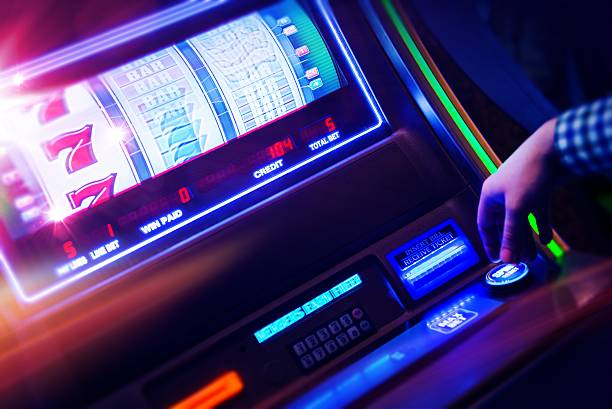
Moreover, the environment of casinos is deliberately designed to enhance this allure. Bright lights, engaging sounds, and the presence of other players amplify the excitement, creating a euphoric atmosphere. Such sensory stimuli can trigger emotional responses that override rational thinking, leading individuals to take risks they might typically avoid in everyday life. This unique blend of psychology and environment makes risk-taking in casino games not just a game of chance but an exploration of human behavior.
The Role of Cognitive Biases in Gambling
Cognitive biases significantly impact how players perceive risk in casino games. One prevalent bias is the gambler’s fallacy, the belief that past events can influence future outcomes. For instance, a player may think that after several losses, a win is “due,” leading them to gamble more than they normally would. This skewed perception of probability can foster an illusion of control, where players feel they can affect outcomes through their actions, encouraging further risk-taking. This notion can contribute to an unknown cognitive dissonance experienced when players place their bets.
Another important cognitive bias is the availability heuristic, where individuals rely on immediate examples that come to mind when evaluating risk. If someone recalls a story about a big win, it may skew their perception of the likelihood of winning, prompting them to take greater risks. These cognitive distortions create a complicated landscape for gamblers, often leading to increased risk-taking behaviors that can have detrimental consequences.
Emotional Factors and the Impact of Excitement
The emotional state of gamblers plays a crucial role in their risk-taking behavior. Emotions such as excitement, anticipation, and even desperation can drive individuals to place larger bets or engage in riskier strategies. The thrill of the game can lead to an emotional high, making it easier for players to overlook the potential downsides of their actions. In these moments, the brain releases dopamine, a neurotransmitter associated with pleasure and reward, reinforcing the desire to continue taking risks.
Furthermore, the social aspect of gambling can also heighten emotional responses. Engaging with friends or strangers can create a sense of camaraderie and competition, encouraging players to take bolder risks. The communal atmosphere of casinos can amplify emotions and contribute to the likelihood of engaging in high-risk behaviors. Ultimately, the interplay of emotions in gambling scenarios can significantly influence decision-making, often leading players to take chances they may avoid in more sober circumstances.
Addiction and the Dangers of Risk-Taking
The thrill of risk-taking in casino games can sometimes spiral into addictive behavior. Gambling addiction is a serious issue that affects many individuals, with risk-taking acting as a core component of the addiction cycle. The initial excitement and occasional wins can lead to cravings for more, fostering a dangerous cycle of increasing wagers and emotional investment. Over time, the risks taken in pursuit of that same high can escalate, often leading to significant financial and personal consequences.
Moreover, the psychological profile of individuals predisposed to gambling addiction often includes traits such as impulsivity and a propensity for high-risk behaviors. These traits can create a feedback loop where the excitement of gambling reinforces the desire to engage in further risk-taking, making it difficult for individuals to break free from the cycle. Recognizing these patterns is essential for both gamblers and their loved ones, as understanding the psychological underpinnings of risk-taking can aid in prevention and recovery efforts.

Fostering a Safe Gaming Environment: Our Commitment
As we delve into the psychology of risk-taking in casino games, it’s important to also emphasize responsible gaming practices. Our platform is dedicated to promoting a safe and secure gaming environment for all users. By utilizing advanced security measures, we aim to protect our community from potential online threats while ensuring an enjoyable and seamless experience for everyone.
We encourage players to engage with our resources on responsible gambling and understand the risks associated with high-stakes games. With education and support, we believe that individuals can enjoy the excitement of casino games while maintaining their well-being. Join us in fostering a responsible gaming culture that emphasizes respect for personal limits and the importance of making informed decisions.